ECU remapping
Vehicle-specific calibration for stronger torque, sharper response and more usable power — built around how you actually drive.
Why Boostech ↗ WESTERN CAPEGet a quote
Cape Town vehicle software tuning specialists
Safe, vehicle-specific ECU calibration in Cape Town and across the Western Cape. Better torque, better drivability and honest advice before we touch your vehicle.
What we do
Daily driving, long-distance touring, towing or commercial work — the goal is not the biggest number on a graph. It is a vehicle that feels stronger, smoother and dependable where you use it.
Vehicle-specific calibration for stronger torque, sharper response and more usable power — built around how you actually drive.
Why Boostech ↗Torque-led calibration for towing, loaded vehicles, trucks and fleets, with efficiency measured in the real world.
Explore truck tuning ↗De Graaf and 1-Exhaust systems, with vehicle-specific advice and fitment arranged from our Durbanville base.
View exhaust range ↗Gearbox adaptation, limiter changes, diagnostics and vehicle-specific solutions for selected systems and applications.
Ask about this ↗The Boostech difference
Boostech Western Cape brings an international tuning network to Cape Town, backed by a group that tunes hundreds of vehicles every month. That scale keeps development moving while every vehicle here is still assessed for its exact ECU, condition and intended use.
Why we call it performance engineering →Vehicle specifications
Select the make and engine to see the common factory output, typical Boostech target and what the upgrade is designed to improve.
Figures are typical targets, not a blanket promise. Exact output depends on ECU version, model year, fuel, hardware and vehicle condition. If your model is not listed, send it through the enquiry form and we will check it.
Can’t find your vehicle?Browse the full vehicle performance database.↗Popular applications
From daily driving to towing and touring: software and hardware matched to the way you use your vehicle.
 01
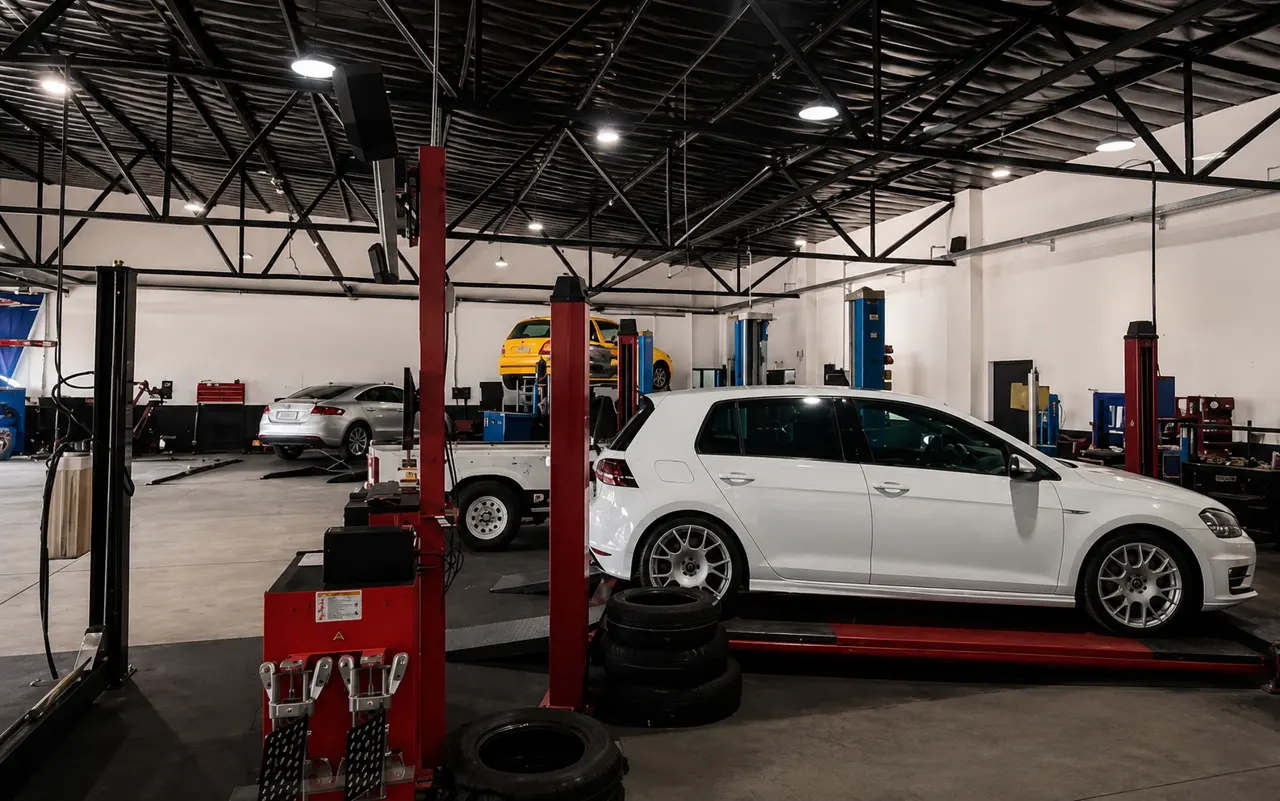
01Western Cape support
Vehicle-specific ECU calibration and exhaust support from Durbanville, serving Cape Town and the wider Western Cape by arrangement.
 02
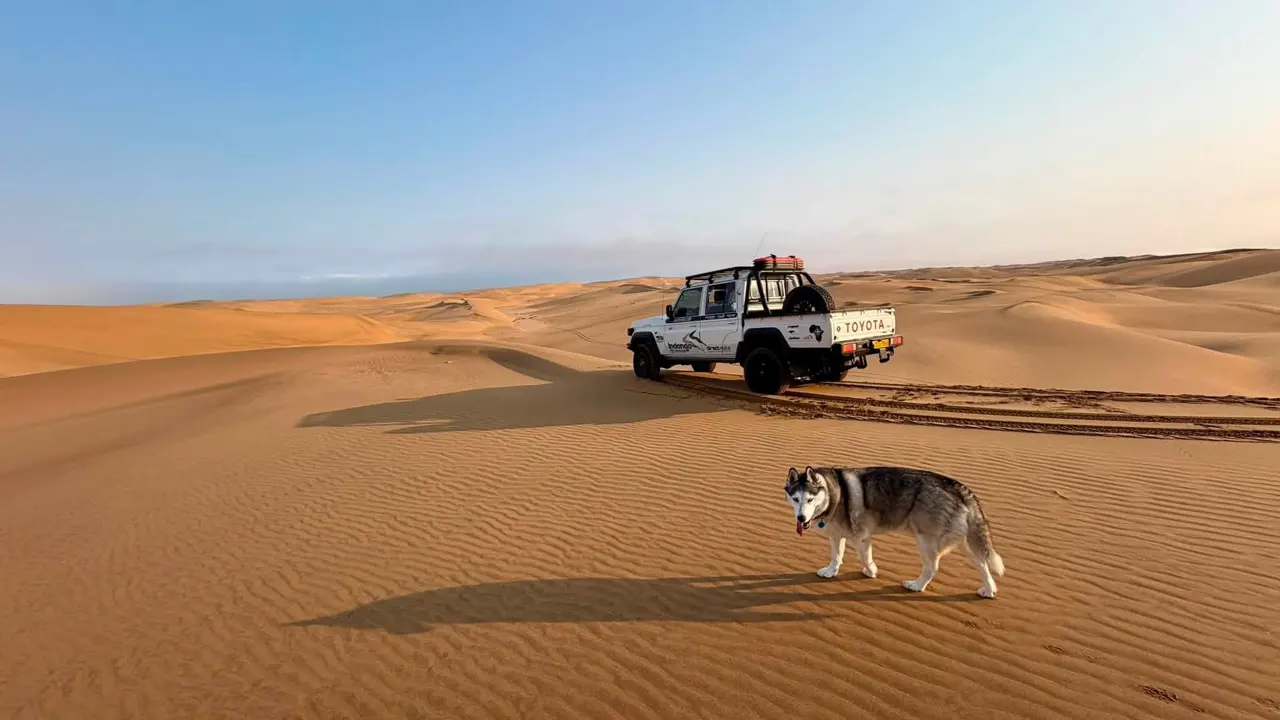
02Bakkies & 4x4s
Hilux, Ranger, D-Max, Land Cruiser, NP300 and P-Series applications built around response, towing and real-world drivability.
 03
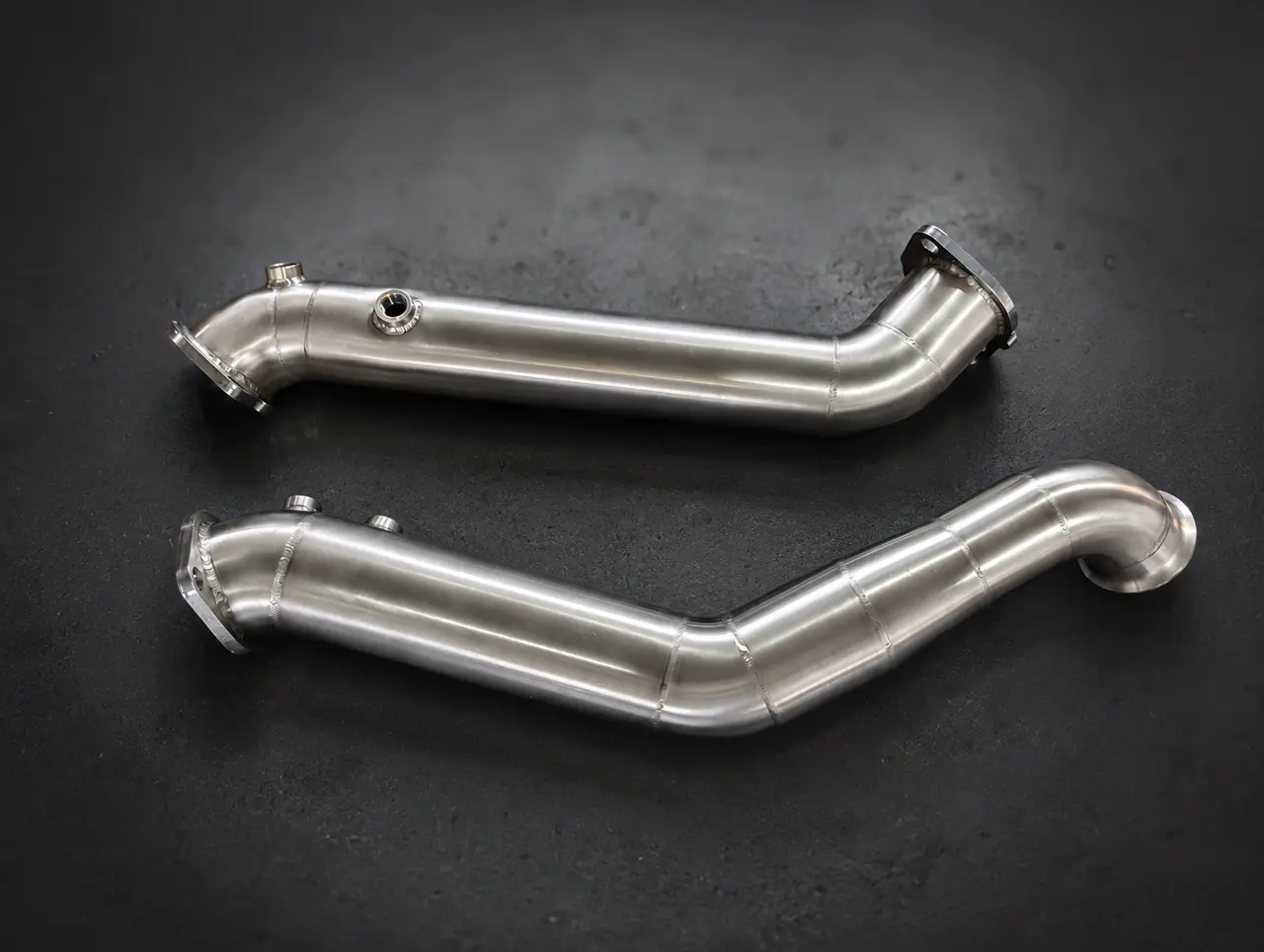
031-Exhaust systems
Freer flow, lower backpressure and stronger low-down behaviour — with the calibration written to make proper use of the exhaust.
How it works
We get the right information first, tell you what is realistic and only proceed when the vehicle and the job make sense.
Year, make, model, engine, transmission, location, modifications and what you want to improve.
We confirm the ECU, discuss realistic gains and flag anything that should be checked before tuning.
The original software is read and retained. A vehicle-specific file is then prepared and installed.
We verify the result, explain what changed and remain available if the vehicle needs follow-up.
Real-world upgrades
Stronger low-down torque means easier overtaking, less hunting between gears and a more relaxed vehicle under load. Every file is matched to the exact vehicle, ECU, condition and modifications.
Get figures for my vehicle →Typical figures shown. Exact output varies by model, fuel, condition and hardware.
The Boostech approach
We will not sell you a tune when the gain is not worthwhile, chase a dyno number at the expense of reliability or use software to disguise a mechanical problem.
Frequently asked questions
Search the questions below. If your vehicle needs a specific answer, the quote form will send us everything we need in one go.
33 answers
Your ECU controls parameters such as fuelling, boost, torque requests and throttle response. A remap recalibrates the relevant maps in the original software to suit the vehicle and the result you want. No plug-in box is left behind.
A tuning box normally changes one or two sensor signals so the ECU reacts differently. A proper remap works within the ECU software and coordinates the relevant torque, boost, fuelling and protection maps. That gives us far more control over drivability and safety.
No. A pedal booster only changes how quickly the throttle request rises when you press the pedal. It can make a vehicle feel sharper, but it does not create additional power or torque. A remap changes how the engine produces and delivers torque.
Stage 1 generally means software calibrated for a mechanically standard vehicle. Stage 2 normally assumes supporting hardware such as a freer-flowing exhaust. The labels are not universal, so we quote the actual hardware, target and expected result rather than relying on a stage name alone.
No — and we will say so when the gain is not worthwhile. Turbo-diesel and turbo-petrol engines often respond very well. Some naturally aspirated petrol engines have little safe headroom unless hardware changes are made. ECU access also varies by model and software version.
Yes. Boostech Western Cape tunes far more than bakkies. We tune many petrol and diesel sedans, hatchbacks, SUVs and performance vehicles, including Audi, BMW, Mercedes-Benz, Volkswagen and numerous other manufacturers. Send us the exact model, year, engine and VIN or licence-disc photo so we can confirm what is available for your vehicle.
View the complete passenger-vehicle guide →Yes. We retain the original read wherever the ECU process allows it, so the factory software can normally be restored later. Tell us if another workshop or dealer has updated the ECU since we tuned it.
A conservative, vehicle-specific calibration on a healthy vehicle is designed to stay within sensible limits. We account for boost, fuelling, exhaust temperature, torque delivery and transmission limits. No tune can make a worn or faulty vehicle healthy, which is why condition matters first.
Any extra load can expose a component that is already worn, incorrectly maintained or failing. The calibration itself should not simply demand uncontrolled boost or torque. We shape delivery around the application and can use a milder towing or daily-use file where that is the better choice.
That's one of the most common questions we get. Our software is designed so that it cannot be detected by most manufacturers' standard diagnostic equipment, and many dealerships and manufacturers even use our services for their own vehicles. In practice, we've been tuning vehicles for almost 20 years across more than 60 Boostech branches, tuning hundreds of vehicles every month, and we've never had a customer lose a warranty because of one of our calibrations. It's also important to remember that dealers are generally not looking for reasons to void warranties. If a vehicle comes in for a routine service or an unrelated warranty claim, the software is typically not even part of the discussion. That said, any modification to a vehicle could theoretically become a point of discussion if there is a major drivetrain failure and a manufacturer decides to investigate in depth. No tuner can honestly guarantee how a manufacturer will handle a specific claim. The reason we're comfortable with our tuning is that we work well within safe operating limits and focus heavily on reliability, drivability, and long-term durability rather than chasing extreme power figures. If required, we can also return the vehicle to its original software. In nearly two decades of tuning, we've found that a sensible, professionally developed calibration is far more important than simply chasing the highest power numbers.
Condition matters more than the odometer alone. A well-maintained vehicle with higher mileage may be suitable, while a neglected low-mileage vehicle may not be. Existing smoke, boost leaks, injector problems, overheating, gearbox slip or warning lights must be addressed first.
It should not produce excessive smoke. We focus on clean, usable no-smoke calibration rather than using extra fuel to create an impressive-looking but unhealthy result. A brief haze under a sudden load can have mechanical causes that should be diagnosed.
Keep the vehicle properly maintained with the correct oil, filters and quality fuel. Vehicles used for heavy towing, sand, dust or commercial work benefit from conservative service intervals regardless of tuning. We can advise according to the application.
We diagnose the cause first. Software should never be used simply to hide an unresolved mechanical fault. Some systems have legitimate calibration solutions, but the vehicle and fault need to be assessed before we recommend anything.
It depends on the engine, ECU, factory output, condition, fuel and hardware. The examples on this page show common applications, but we confirm realistic figures for your exact model before booking. Our priority is usable torque and drivability, not the highest possible headline number.
It can improve efficiency when the extra torque lets the vehicle maintain speed with less throttle and fewer gear changes. The saving depends heavily on route, load and driving style. If you use the extra performance constantly, consumption may stay the same or increase, so we do not promise a fixed percentage.
A good calibration can improve low-RPM torque, throttle response and boost delivery, so the vehicle feels more immediate. It cannot remove the physical characteristics of the turbo, but on many turbo-diesels the reduction in perceived lag is substantial.
Not every standard vehicle needs an individual dyno session. Our calibrations are developed and tested for the application, while the installation is matched to the exact ECU and vehicle. Diagnostic checks and logging are used where required; highly modified builds need a more involved custom process.
Yes. A towing file prioritises smooth low-down torque, controlled temperatures and sensible delivery rather than an aggressive peak figure. The aim is easier pull-away, fewer downshifts and a more relaxed vehicle under load.
Limiter adjustment is available on selected vehicles and ECUs. We first confirm the vehicle, tyre rating, intended use and the applicable limits. The driver remains responsible for using the vehicle safely and lawfully.
Not always. On many Toyota and Ford applications, torque delivery, shift behaviour and torque-converter lock-up can be improved through coordinated ECU calibration. A separate TCU flash is only necessary on applications where it adds a real benefit.
Usually not. A healthy standard vehicle can generally receive an appropriate Stage 1 calibration. An exhaust becomes useful when the application benefits from lower backpressure, improved temperature control, a different sound or when we are targeting a higher hardware-supported level.
An exhaust by itself does not normally create a massive peak-power increase. Its main benefits are reduced backpressure, improved response and stronger low-down behaviour. We can write the ECU calibration specifically for the exhaust to make proper use of the hardware.
They are purpose-built systems with heavy-duty 8 mm flanges, TIG-welded construction, OEM-style gaskets and properly made hangers. Availability and configuration depend on the vehicle; systems can be supplied countrywide and fitted through our partner network.
Sound depends on engine, body style and system layout. We will tell you what to expect and choose the suitable configuration for a daily vehicle, touring vehicle or more vocal build. The goal is not to make every vehicle unnecessarily loud.
These faults need a diagnosis before a decision. Depending on the system and intended use, the correct route may be repair, cleaning, regeneration, component replacement or an appropriate software solution. We will not recommend a delete simply because a warning light is present.
Most common passenger vehicles and bakkies fall between R4,500 and R5,500 for an ECU remap. ECU type, access method and special functions can change the price. Send your exact vehicle details and we will give you a written quote before booking.
Most standard remaps take roughly one to three hours once the vehicle is ready. Some locked ECUs, bench work, diagnostics or custom requests take longer. We will set the expectation when confirming your booking.
Boostech Western Cape is based in Durbanville and operates as a mobile tuning and exhaust service across Cape Town and the wider Western Cape by arrangement. We can work at suitable homes, workplaces and partner workshops while keeping downtime low.
Yes. We support customers and fleets across Cape Town and travel elsewhere in the Western Cape by arrangement. 1-Exhaust systems can also be supplied countrywide. Send your location and vehicle list so we can advise the most practical option.
Please send the year, make, model, engine size, transmission, current power output if known, your location, existing modifications, any warning lights or mechanical concerns, and what you want to improve. The form below prepares all of that in one WhatsApp message or email.
Tell us before the booking. A plug-in box may need to be removed, and an unknown remap may need to be read and assessed before we can proceed. Hiding existing software or hardware makes safe diagnosis much harder.
Yes, if your needs or hardware change we can assess a revision. The original software is retained. Boostech's current policy may apply a R1,500 recalibration charge when a change is requested more than six months after the original tune.
MEET THE BOOSTECH NETWORK
Explore the teams in Namibia, Bloemfontein and Johannesburg, plus Boostech in Australia and New Zealand.
Explore the Boostech network →One message. All the details.
Complete this once and we can give you a much faster, more accurate answer — without six rounds of messages asking which engine or gearbox you have.
Prefer the quick route?
For a useful answer, please include the year, model, engine, transmission and your location.
FROM THE BOOSTECH NETWORK
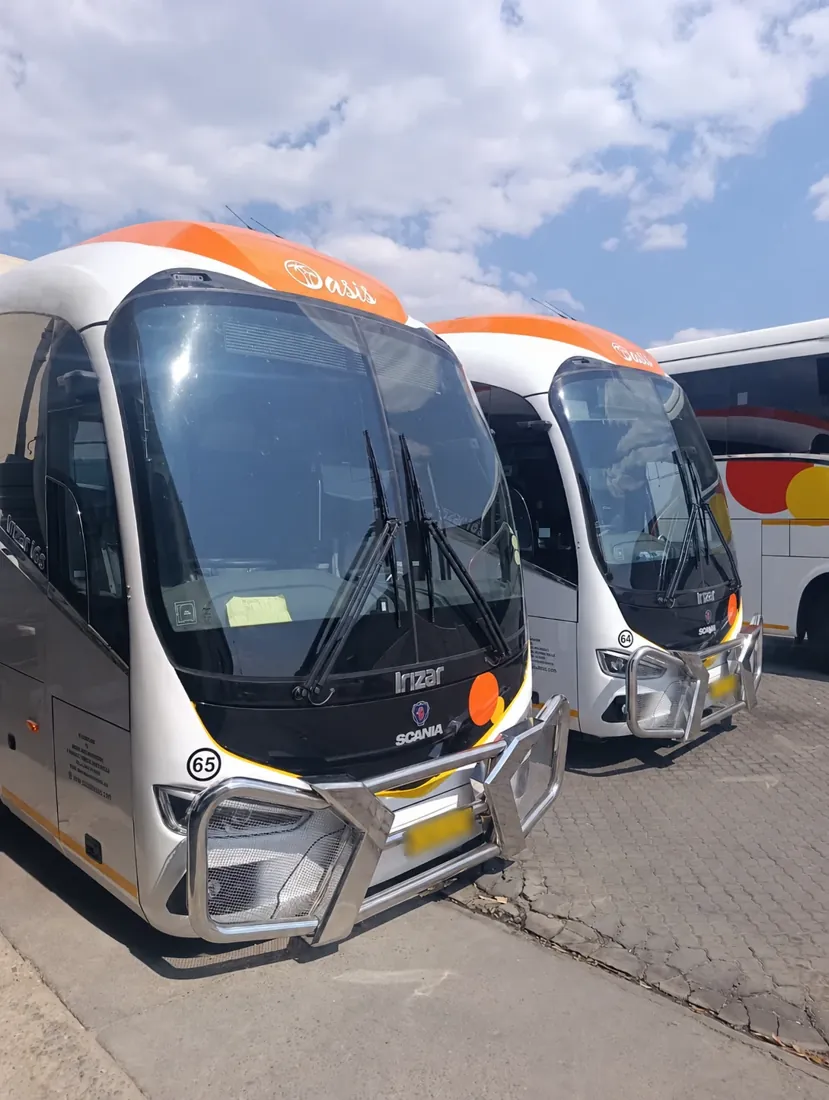
Fleet reliability
More than 60 coaches, long African routes and the practical challenge of AdBlue supply and downtime.
Read article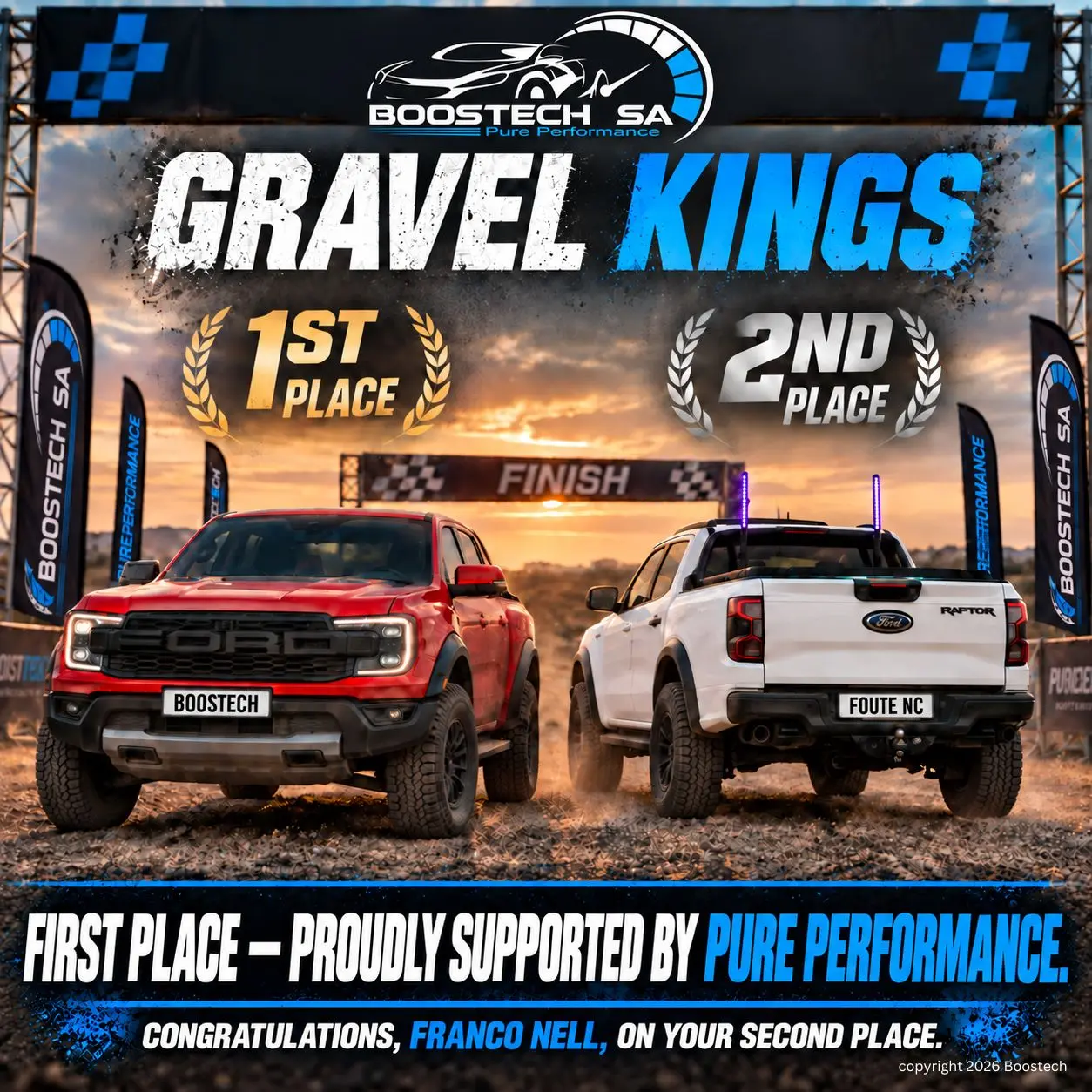
Motorsport result
Stock turbo, the correct fuel, proven development and the right driver—the combination behind a 13.43-second run.
Read article
Boostech network
Your Western Cape connection to Boostech in Namibia, Bloemfontein, Johannesburg, Australia and New Zealand.
Read articleLatest fleet advice
Read the Scania G410 fleet case and explore support in Cape Town and the Western Cape.
Read the AdBlue article